
· Life Hacks · 5 min read
How Long Do Ready-to-Eat Chicken Feet Last? Storage Tips and Signs of Spoilage
Sealed ready-to-eat chicken feet keep for months at room temperature. Why they need no fridge, how to store them properly, and five signs a pack has gone bad.

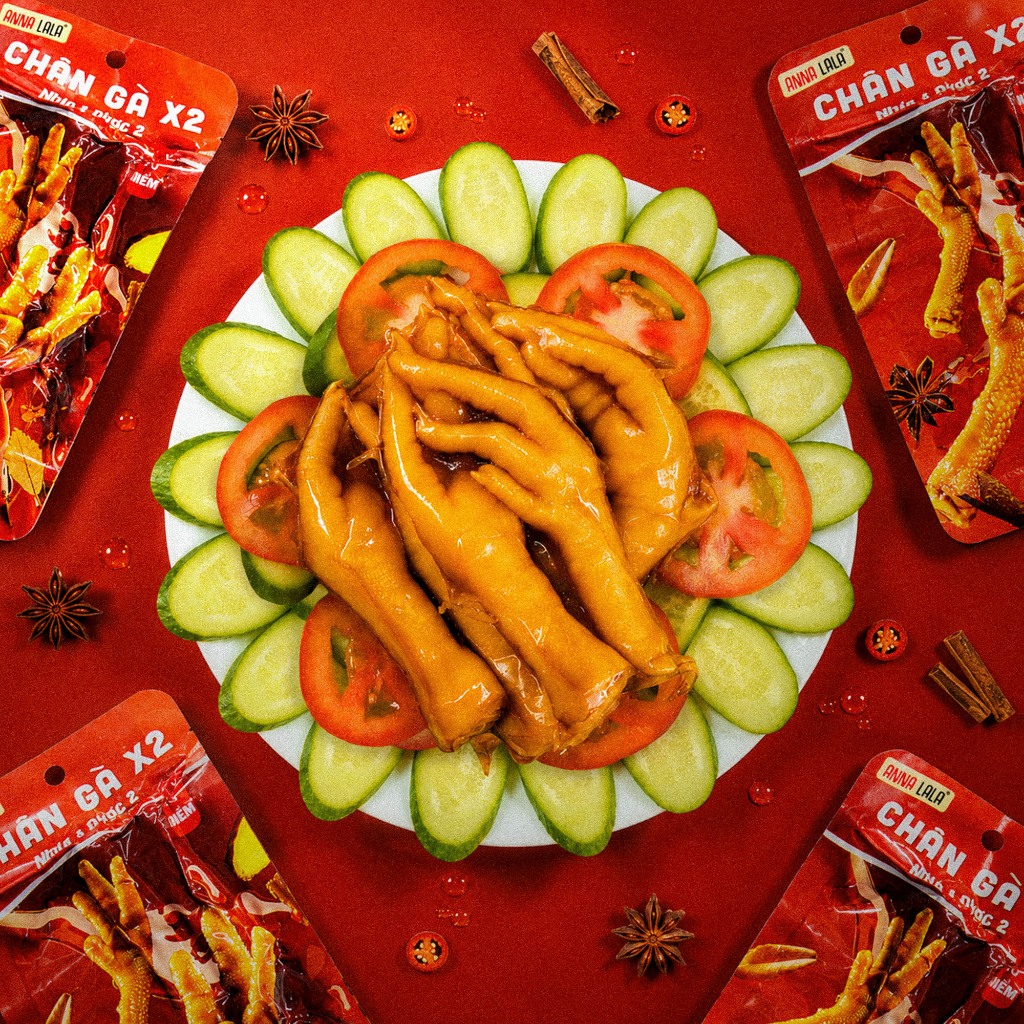
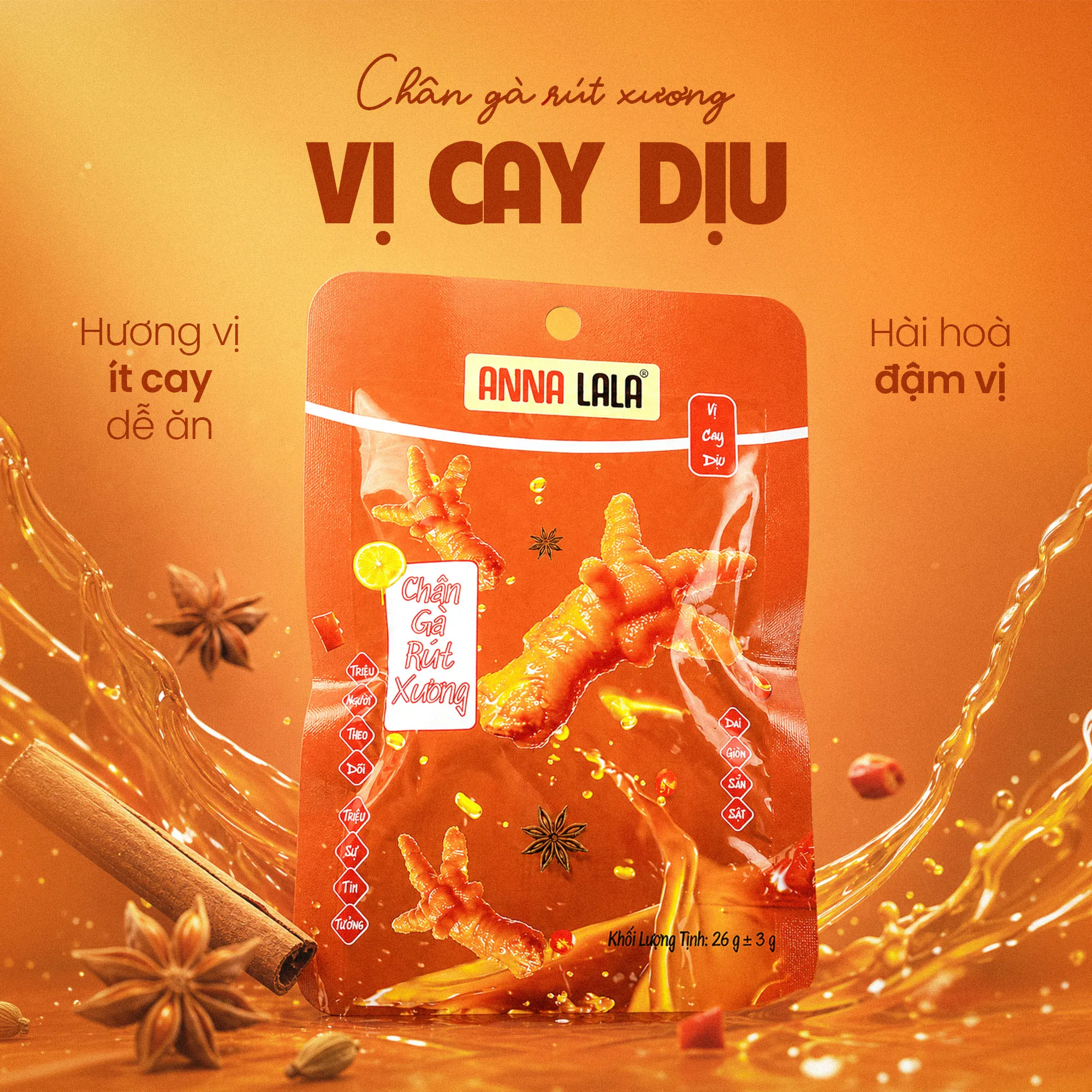
The short answer: a sealed pack of ready-to-eat chicken feet, stored properly, keeps for months at room temperature — no fridge required. ANNALALA’s Thai-style sauce chicken feet, for example, have a shelf life of six months from the date of manufacture.
The exact figure varies by product, though, and it only holds while the pack is intact. This guide explains why, how to store them correctly, and the signs that tell you a pack should go in the bin.
Always check the date on the pack
This is the rule that comes before every other tip: the date printed on the pack you’re holding is the one that counts — not a figure you read somewhere else.
Each product line has its own recipe, weight and process, so each has its own shelf life. When you buy, look for two things:
- Manufacturing date (NSX on Vietnamese packaging)
- Expiry date (HSD), or the number of months from manufacture
If the pack is smudged, scratched or missing either date, don’t buy it.
Why do they keep without refrigeration?
It surprises a lot of people that a meat product can sit at room temperature for months. The answer lies in two production steps — not in heavy chemical treatment.
Sterilisation. After packing, the product is heat-treated to kill any microorganisms inside. This is the step that makes it safe.
Vacuum sealing. Air is drawn out of the pack before it’s sealed. Most of the bacteria that spoil food need oxygen to grow, and without it they can’t multiply. ANNALALA’s marinated chicken feet are double vacuum-sealed.
Together, these create a sealed, clean, stable environment. That’s why the same piece of chicken would spoil within hours on a plate, yet lasts months inside a sterilised vacuum pack.
Do they contain preservatives?
A fair question — and the answer should come from the ingredient list, not from marketing.
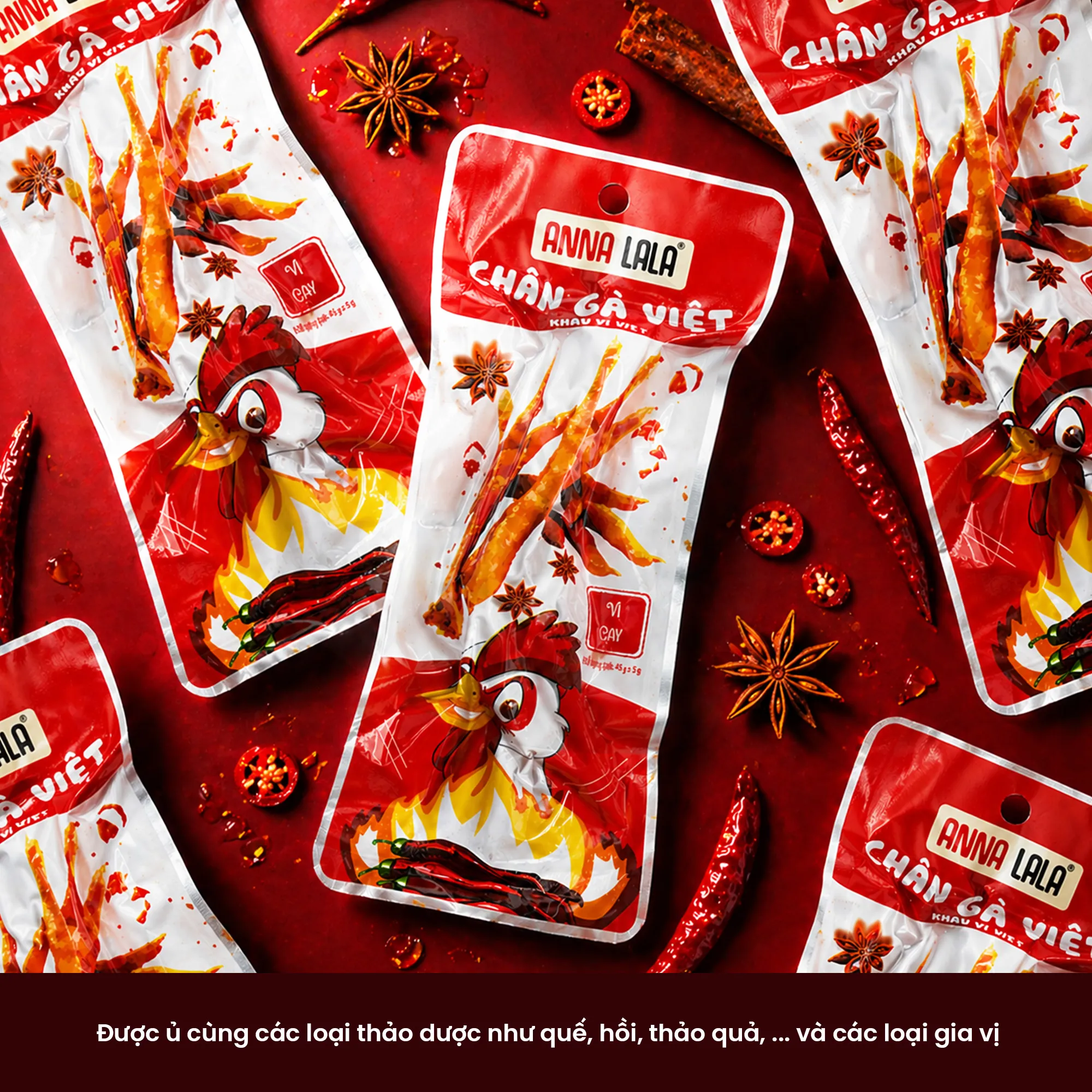
Take the Thai-style sauce chicken feet: the published ingredients include preservative INS 234 (nisin). Nisin is a naturally occurring antimicrobial produced by fermentation using lactic acid bacteria — the same family used to make yoghurt — and it is an approved food additive.
Even so, as explained above, the product’s shelf life comes mainly from sterilisation and vacuum sealing, not from the preservative. The full ingredient list for each product is on its product page, and the original lab reports are published on the Certificates page.
How to store them properly
While the pack is sealed
- Keep at room temperature, somewhere dry and well ventilated
- Keep out of direct sunlight — heat and UV degrade quality even through a sealed pack
- Avoid spots near the stove, sunny windowsills, or a car boot in summer
- There’s no need to refrigerate them for storage
A tip for better flavour: the marinated and boneless chicken feet taste better chilled. A few hours in the fridge before eating firms up the texture and adds crunch. That’s for taste only — it isn’t a storage requirement.
Once opened
The manufacturer recommends eating them as soon as the pack is opened. Once the seal is broken the vacuum is gone, and the contents are exposed to air like any other fresh food. Packs come in single portions precisely so you can finish one in a sitting.
Five signs a pack has gone bad
Even if it’s within date, if you see any of these, throw it away — don’t taste it:
- The pack is swollen. This is the most important sign. A properly vacuum-sealed pack clings tightly to its contents. If it has puffed up, microorganisms inside are active and producing gas.
- The pack is torn, punctured or the seal has split. The sealed environment is broken and safety can no longer be guaranteed.
- An off smell. Sharply sour, foul, or clearly different from the usual smell of the seasoning when you open it.
- A slimy surface or unusual discolouration. Dark patches, white mould spots, or a sticky film.
- It’s past its expiry date. Even if it looks and smells fine.
The general rule: if in doubt, throw it out. A pack of chicken feet isn’t worth the risk to your health.
Where to buy with confidence
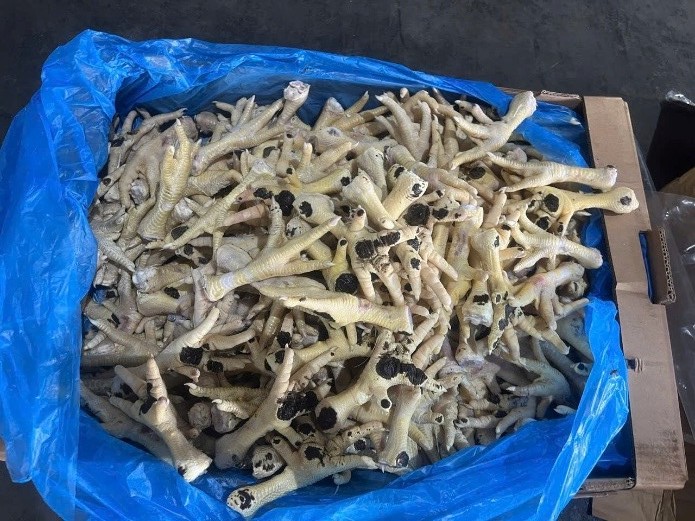
Storing food correctly at home only matters if it was safe before it reached you. The recent case of 10,000 tonnes of contaminated chicken feet showed that the biggest risk comes from products of unknown origin.
When you buy, choose products that have:
- The brand, manufacturer and address clearly printed on the pack
- A product self-declaration number
- Intact packaging with clear dates
- A legitimate sales channel: the official store, an official marketplace storefront, or a convenience store chain
Frequently asked questions
Do ready-to-eat chicken feet need refrigerating? Not while the pack is sealed. They are sterilised and vacuum-sealed, so they keep at room temperature. Use the fridge only if you’d like to eat them chilled.
How long do ready-to-eat chicken feet last? It depends on the product, so always check the date on the pack. ANNALALA’s Thai-style sauce chicken feet, for example, last six months from the date of manufacture.
Can I save an opened pack for later? It’s best to finish it straight away. Once opened the vacuum no longer protects the contents.
The pack is slightly swollen but still in date. Is it safe? No. Swelling means gas is being produced inside, usually by microorganisms. Throw it away even if it’s within date.
Is it OK to leave them in a hot car or in the sun? Best avoided. High temperatures reduce quality and can shorten shelf life, even in a sealed pack.