
· Nutrition · 6 min read
Decoding the Ingredient List: What Do INS 621, 627 and 631 Mean?
A row of INS codes on your pack of ready-to-eat chicken feet? Here is what each one means — flavour enhancers, acidity regulators, colour and preservative.
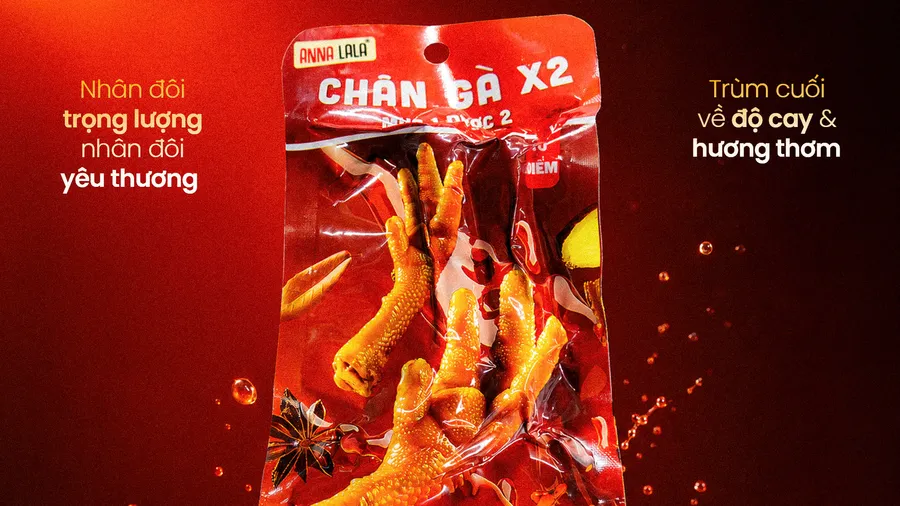
You turn a pack of ready-to-eat chicken feet over and find a row of codes: flavour enhancers (INS 621, INS 627, INS 631), acidity regulators (INS 260, INS 262(ii), INS 270). It reads more like a chemistry formula than food.
This guide explains every code that appears on ANNALALA chicken feet products — what each substance is, what job it does, and how you can verify all of it yourself.
What does INS mean?
INS stands for International Numbering System — a numbering scheme for food additives created by the Codex Alimentarius Commission of the FAO and WHO.
Its purpose is mundane: to give every substance one consistent name across every country, whatever the language. “Citric acid” in English, “axit citric” in Vietnamese, “クエン酸” in Japanese — all of them are INS 330.
One thing worth understanding up front: having an INS number does not make something an industrial chemical. Vinegar is INS 260. The citric acid in a lemon is INS 330. The lactic acid in yoghurt is INS 270. The number is a naming convention, not a warning label.
Quick reference: the codes on ANNALALA chicken feet
| Code | Name | Function | Found in |
|---|---|---|---|
| INS 621 | Monosodium glutamate (MSG) | Flavour enhancer | Marinated, X2, Thai sauce |
| INS 627 | Disodium guanylate | Flavour enhancer | Marinated, X2, Thai sauce |
| INS 631 | Disodium inosinate | Flavour enhancer | Marinated, X2, Thai sauce |
| INS 260 | Acetic acid (the main component of vinegar) | Acidity regulator | Marinated, X2, Thai sauce |
| INS 262(ii) | Sodium diacetate | Acidity regulator | Marinated, X2, Thai sauce |
| INS 270 | Lactic acid | Acidity regulator | Marinated, X2 |
| INS 330 | Citric acid (found in lemons) | Acidity regulator | Thai sauce |
| INS 150c | Class III caramel | Colour | Marinated, X2 |
| INS 234 | Nisin | Preservative | Thai sauce |
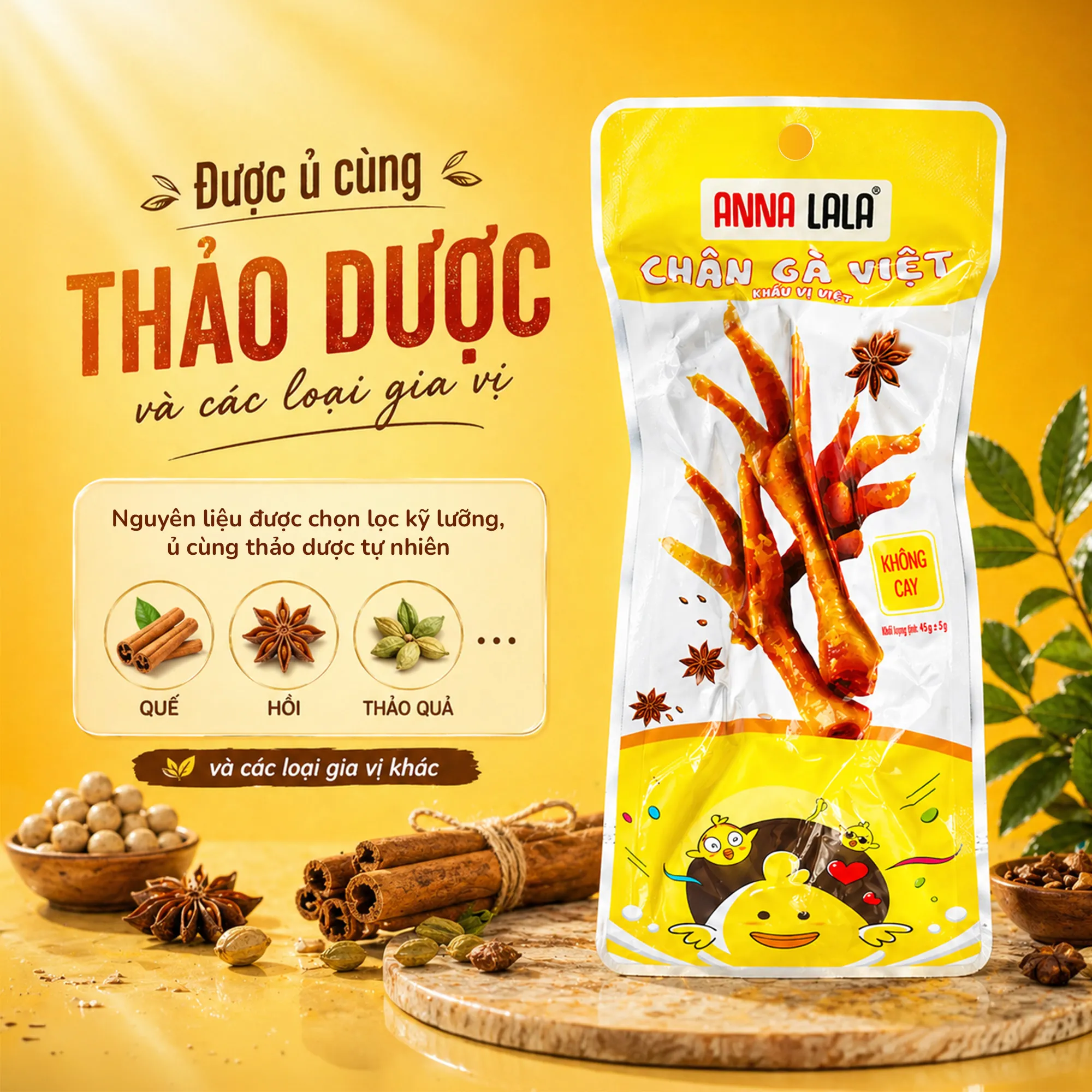
The flavour enhancers: why three at once?
A fair question. Why not just use MSG and be done with it?
INS 621 is MSG, the familiar source of umami. INS 627 and INS 631 are nucleotide flavour enhancers which also produce umami, but more weakly on their own.
The interesting part is what happens when they are used together: guanylate and inosinate sharply amplify how strongly you perceive the glutamate. That means the manufacturer needs less total additive than MSG alone would require. It’s why this trio appears together in so many savoury products, not just chicken feet.
On MSG specifically: it is among the most heavily studied food additives there is. The FAO/WHO expert committee JECFA places it in the category that needs no specific numerical daily intake limit, and controlled trials have not found a consistent link between MSG and the symptoms once attributed to it. If you personally prefer to avoid it, it is declared on the pack so you can choose.
The acidity regulators: doing two jobs at once
The four codes 260, 262(ii), 270 and 330 are all acidity regulators, and they serve two purposes in parallel:
Taste. The clean sourness in the marinated chicken feet and the tang of the Thai sauce come from here. This is the part you actually taste.
Lowering pH. An acidic environment suppresses most of the bacteria that spoil food. That is the technical reason, and it works alongside sterilisation and vacuum sealing — the three layers of protection covered in more detail in how long ready-to-eat chicken feet last.
Their origins are thoroughly everyday: INS 260 is acetic acid, the main component of vinegar. INS 330 is citric acid, what makes a lemon sour. INS 270 is lactic acid, found in yoghurt and pickles.
The colour and the preservative
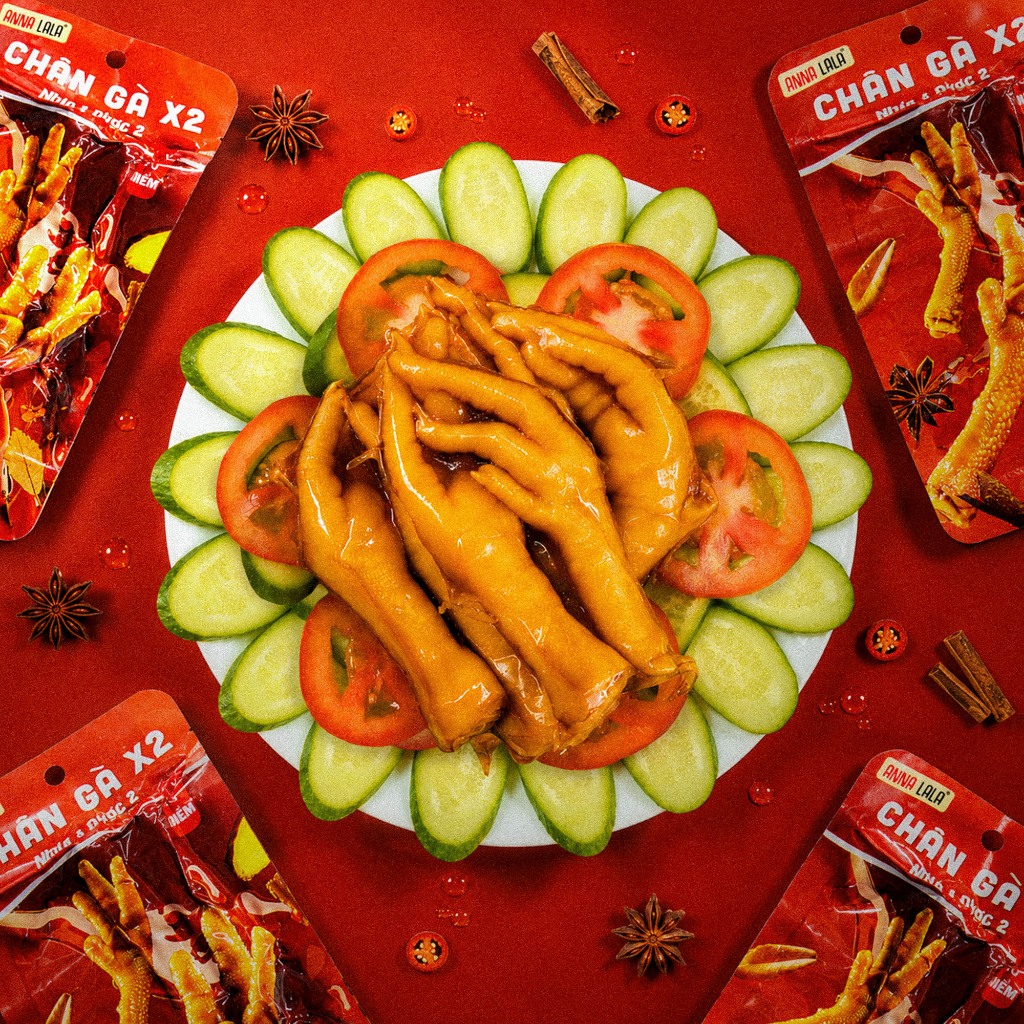
INS 150c — class III caramel. A brown colouring made by heating sugar under controlled conditions. It gives the marinated and X2 chicken feet their amber colour. It belongs to the same family as the caramel colour in soy sauce and cola.
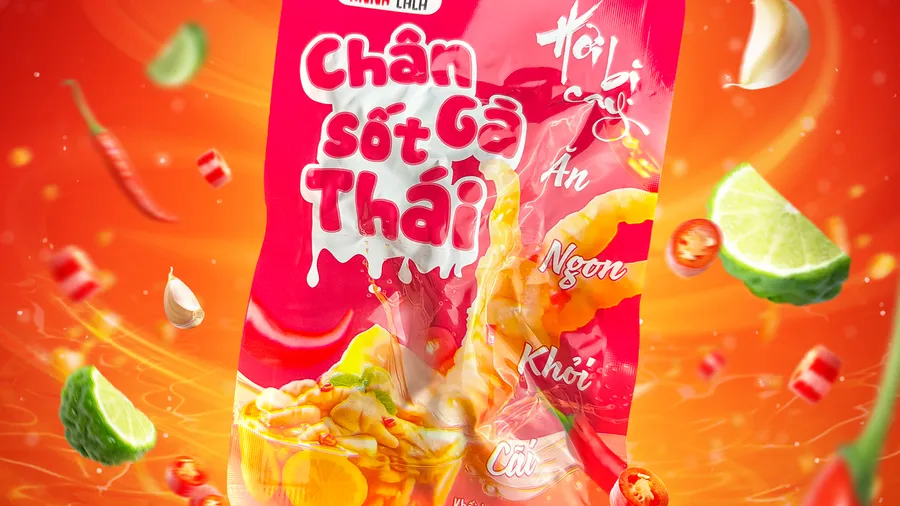
INS 234 — nisin. Present only in the Thai sauce line. Nisin is an antimicrobial peptide produced by fermentation using lactic acid bacteria — the same group used to make yoghurt and cheese. It inhibits Gram-positive bacteria and has been used in food for decades.
Worth noting: the marinated and X2 lines carry no preservative in their declared ingredient lists. Their shelf life comes from the process — sterilisation and double vacuum sealing — rather than from a preservative.
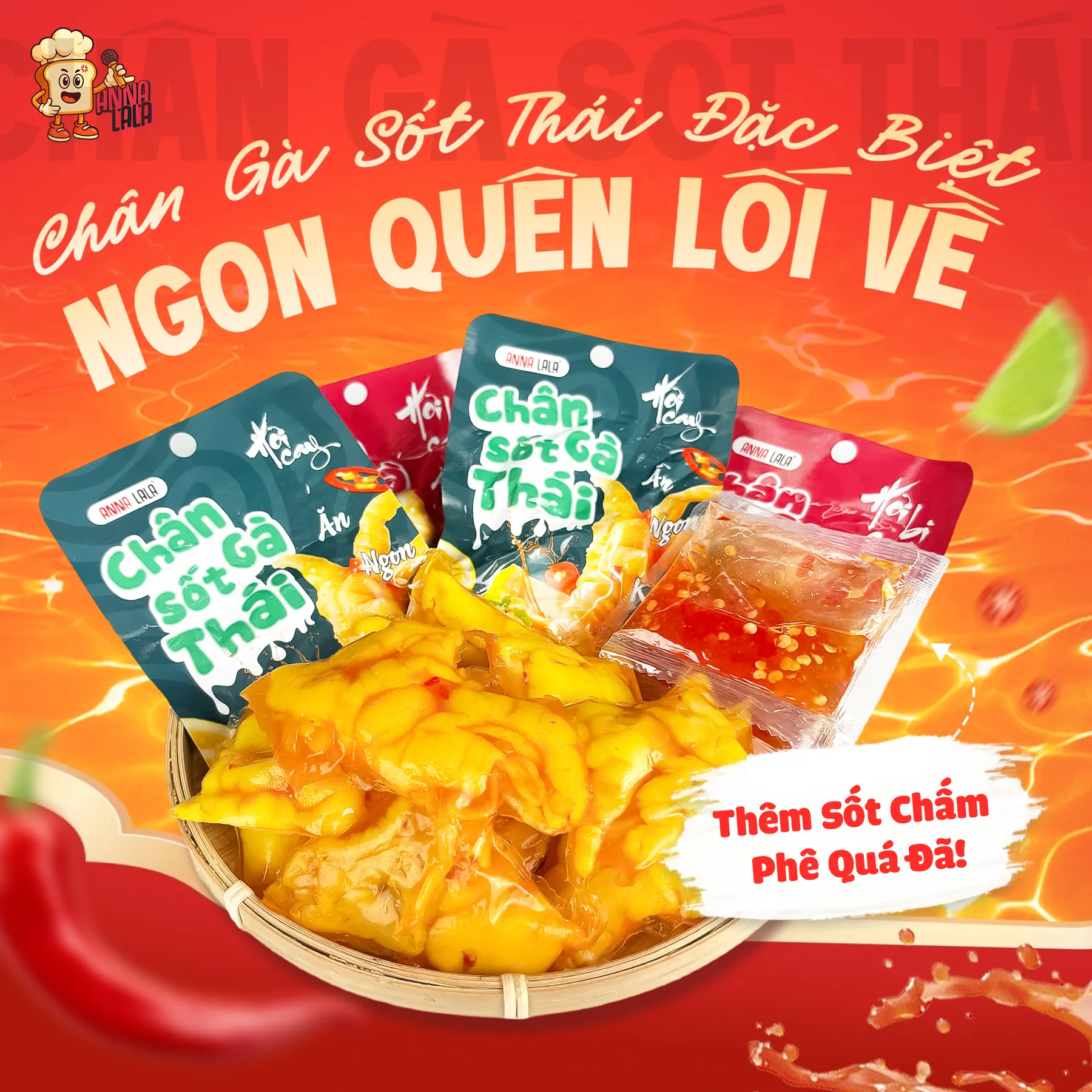
A note on the boneless line
The ingredient list published for the boneless line is abbreviated: “95% chicken feet, water, salt, sugar, chilli, ginger, herbs…” — ending in an ellipsis.
That means the list is incomplete, and you should not read it as proof the product contains no additives. The full, legally binding ingredient list is the one printed on the pack in your hand. That is always the authoritative source.
How to check for yourself
You don’t have to take this article’s word for any of it. There are three independent ways to check:
1. The product self-declaration number. Each line has its own, for example TCCS 26:2023/LAKESIDE for the X2 chicken feet, and 23/LAKESIDE/2025 and 24/LAKESIDE/2025 for the two Thai sauce heat levels. These declarations are filed with the regulator and can be looked up.
2. The lab reports. The original test reports for each product line are published on the Certificates page.
3. Cross-check the INS codes. The list of permitted additives and their limits is published by Vietnam’s Ministry of Health and is open to anyone.
These are worth applying to any product, not just ANNALALA — as the case of 10,000 tonnes of contaminated chicken feet showed, the clearest difference between safe products and grey-market ones is whether this paperwork exists at all.
Frequently asked questions
Do ready-to-eat chicken feet contain MSG? Yes. The marinated, X2 and Thai sauce lines all list INS 621 (MSG) among their flavour enhancers, declared on the pack.
What are INS 627 and INS 631? Disodium guanylate and disodium inosinate, two nucleotide flavour enhancers. They are used alongside MSG to amplify umami, which reduces the total amount of additive needed.
Do they contain preservatives? It depends on the line. The Thai sauce chicken feet contain nisin (INS 234). The marinated and X2 lines declare no preservative — their shelf life comes from sterilisation and vacuum sealing.
Are these additives safe? Every INS code on the pack is on the list of permitted food additives. Usage must stay within the prescribed limits, and each product has lab reports and a self-declaration filing you can check against.
Why use additives at all instead of just salt and natural spices? Most of the codes on the list are everyday ingredients under their scientific names — vinegar, lemon acid, lactic acid. The flavour enhancers keep the taste consistent from batch to batch, while the acids both create the sourness and help keep the product safe at room temperature.