
· Life Hacks · 6 min read
Why Does Packaged Bread Last 120 Days and Still Stay Soft?
Fresh bread moulds within days; packaged bread keeps for four months with a soft crumb. The four mechanisms behind it, read straight off the ingredient list.
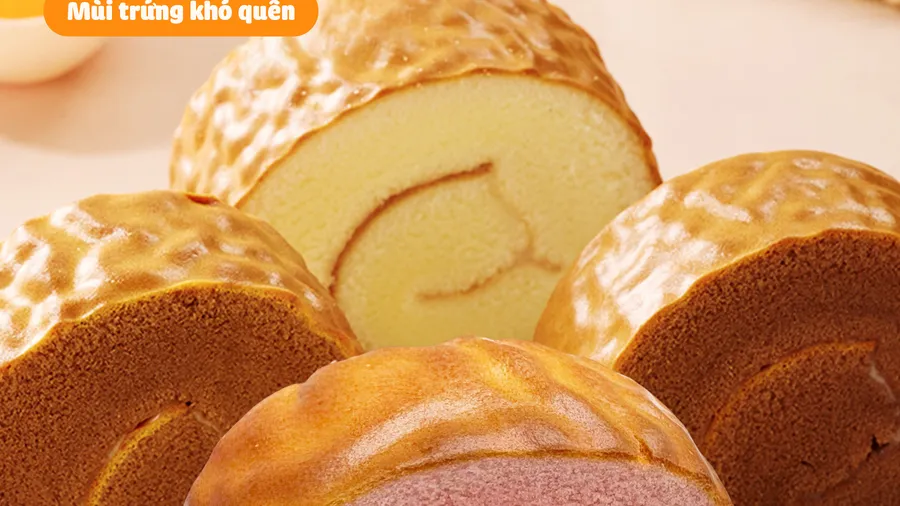
A loaf from the bakery starts going firm by day three and may show mould spots by day four. Packaged bread, meanwhile, carries a shelf life of 120 days — four months — and the crumb is still soft and moist when you bite into it.
It sounds like something powerful must be inside. In fact it isn’t one thing but four mechanisms working together, and all of them are printed on the pack if you know how to read it.
This guide works through each one, using the ingredient lists of ANNALALA’s bread products as the example.
What actually spoils bread?
Before looking at how it’s kept, it’s worth separating two problems that often get lumped together:
Mould. This is the safety problem. Mould spores are already in the air, land on the surface, and grow wherever there’s enough moisture. Fresh bread is very moist, which makes it ideal.
Starch retrogradation. This is a texture problem, not a safety one. The starch molecules in the crumb gradually rearrange and push water out, so the bread turns firm and dry — with no microorganisms involved at all.
A forgotten loaf can end up both stale and mouldy. Solving one problem isn’t enough: bread that hasn’t moulded but is hard as a brick won’t get eaten either. That’s why several layers are needed.
Layer 1 — Blocking mould
This is the most direct layer, and the one shoppers worry about most.
On the ingredient lists for cream-filled bread and seaweed meat floss bread, you’ll find two names:
Calcium propionate (INS 282). This is the classic bread mould inhibitor, used worldwide for decades. It suppresses mould while leaving the yeast largely alone — an important property, since yeast is what makes the dough rise in the first place. Propionates also occur naturally in some fermented foods, Swiss cheese among them.
Sorbic acid (INS 200). This inhibits both moulds and yeasts. Its name comes from the rowan berry (Sorbus), where it was first isolated.
Both are on the list of permitted food additives, and usage must stay within the prescribed limits.
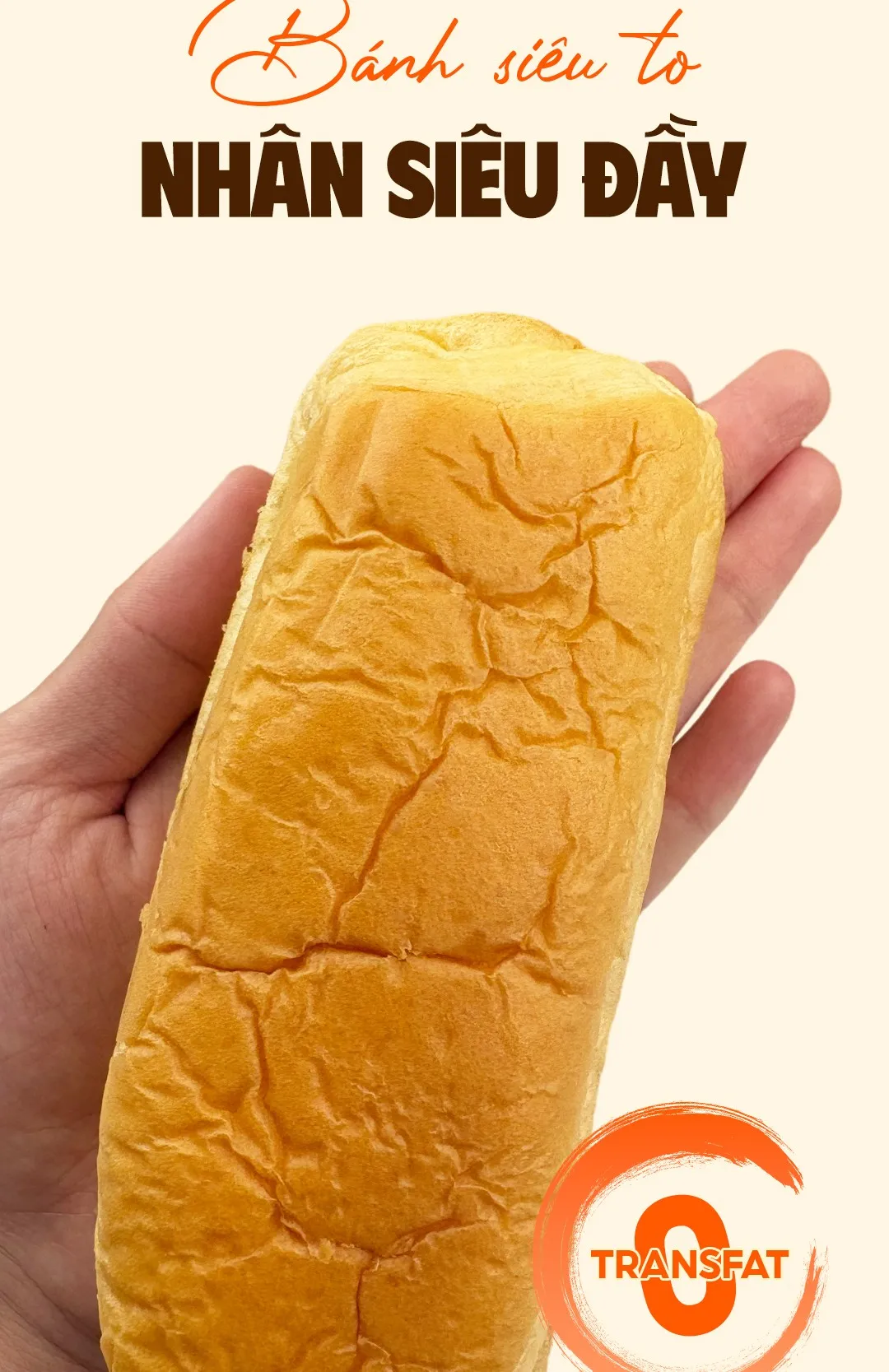
Layer 2 — Locking the water away
This is the most interesting layer, and the least known.
Microorganisms don’t need “water” in general — they need free water, the portion that can move around and take part in reactions. The measure for this is water activity. Lower the water activity and microbes can’t grow, even though the bread still feels moist to the touch.
And here’s the crux: keeping bread soft and keeping bread safe can be the same job, given the right ingredients. Three names on the list do exactly that:
| Ingredient | Role |
|---|---|
| Trehalose | Holds moisture in the crumb, slows starch retrogradation |
| Sorbitol syrup (INS 420(ii)) | Humectant; retains water and lowers water activity |
| Glycerin (INS 422) | Thickener that also holds moisture |
They bind to water molecules, leaving that water “busy” and unavailable to mould. The result: the crumb is still moist when you bite it, but to a mould spore the same environment is arid.
Trehalose appears in all four of ANNALALA’s bread products. It is a naturally occurring sugar, found in mushrooms and yeast, widely used in baking because it holds moisture well while being only about half as sweet as table sugar.
Layer 3 — Lowering the pH
The cream-filled bread adds fumaric acid (INS 297) as an acidity regulator.
A mildly acidic environment makes it harder for most microorganisms to multiply, and it also makes the sorbic acid from layer one more effective — that preservative works better at low pH. It’s the same mechanism covered in decoding the chicken feet ingredient list: the acid group both creates flavour and contributes to preservation.
Layer 4 — The sealed wrapper
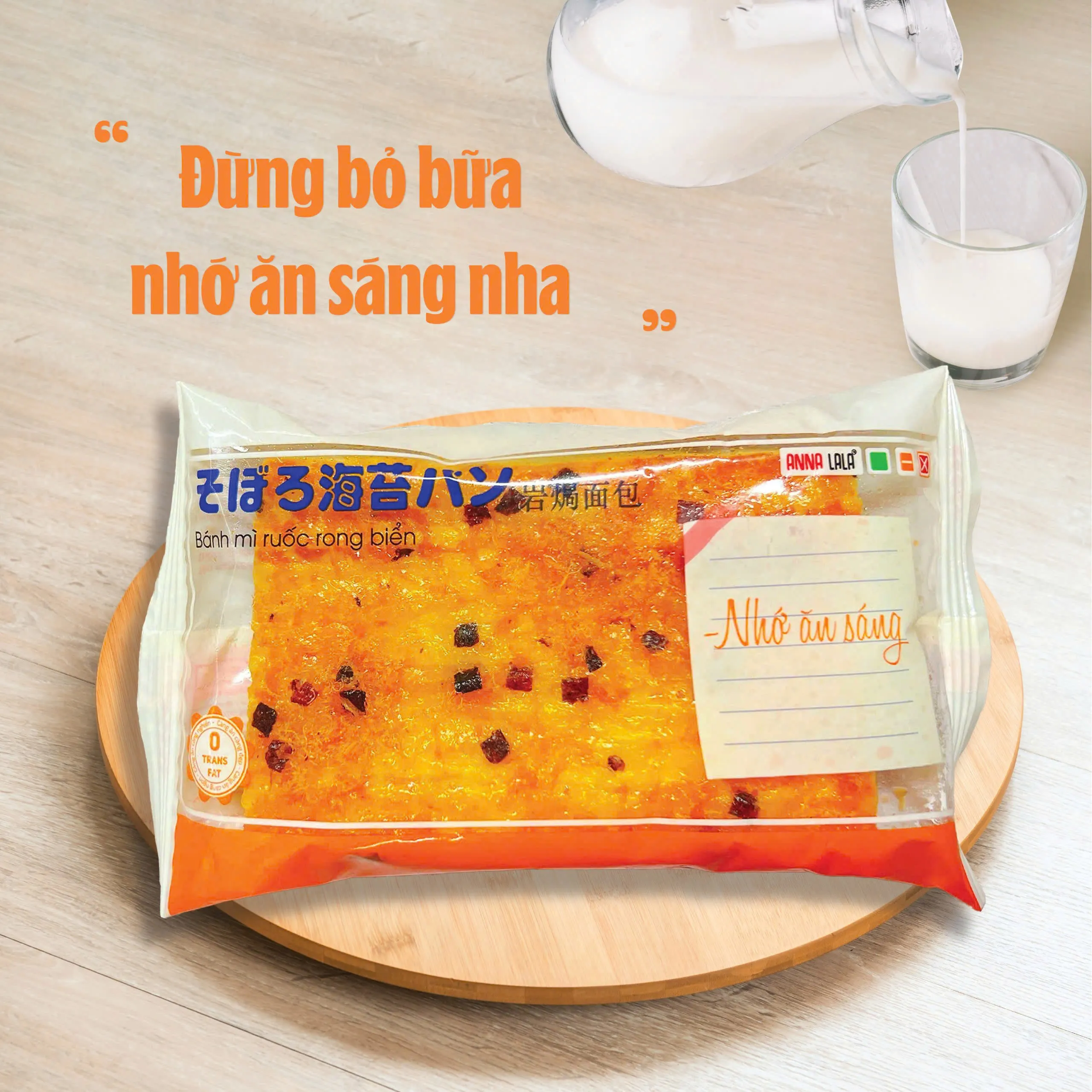
The last layer is the simplest and no less important: each loaf is individually wrapped and sealed as soon as it has cooled.
A sealed wrapper keeps new mould spores out and stops the moisture inside from evaporating. That’s why individually wrapped bread keeps far longer than bread sold in a large bag that gets opened and closed repeatedly.
So is 120 days something to worry about?
A long date doesn’t mean “lots of chemicals”. It’s the sum of four layers, and two of them have nothing to do with preservatives — moisture management and packaging.
Three things worth remembering:
120 days applies to a sealed pack. Once opened, the wrapper stops doing its job and the bread is exposed to air like any other food. Finish it that day.
Always check the date on the pack. The printed shelf life is the one that counts, not a figure you read here.
You can still tell when it’s gone off. Mould spots, a sour or unusual smell, a swollen or torn wrapper — if you see any of these, bin it, even within date. The same rule applies as in storing ready-to-eat chicken feet.
A note on the other two lines
The Swiss roll and the lava mochi currently publish shorter ingredient lists — for example “emulsifiers and raising agents meeting international standards” rather than naming each code.
That means you should not read it as proof they contain no preservatives. The full, legally binding list is the one printed on the pack in your hand. The original lab reports for each line are published on the Certificates page.
Frequently asked questions
Does 120-day bread rely on a lot of preservatives? Not really. Preservatives are one of four layers. Two others matter just as much — moisture control through trehalose, sorbitol and glycerin, and the individual sealed wrapper — and neither is a preservative.
What is calcium propionate? The standard mould inhibitor in baking, INS 282. It suppresses mould without affecting the yeast, and is on the list of permitted additives.
Why is it still soft after months? Because the humectants hold water in the crumb and slow starch retrogradation — the process that turns fresh bread firm within a few days.
How long does it keep once opened? Finish it the same day. The 120-day figure applies only to an unopened pack.
It’s within date but has white spots. Is it safe? No. Bin it even within date. Mould spots, an off smell or a swollen wrapper are all signals to stop.